

For the San Sebastián International Film Festival, being so close on the calendar to the more prestigious Venice Film Festival is never much of a problem. It remains the most important event in Spanish-language cinema, the place where European audiences get their first look at films selected for the Toronto Film Festival, and a gathering point for directors and actors who can present work here that has already screened in Berlin, Cannes, or Venice just a couple of weeks earlier.
As with any festival, spotting recurring themes is one of the games you can play once you've seen the selected films. This year, it's hard to deny that many films explored how we relate to the wait for, or the event of, the death of our loved ones, using approaches that are imaginative, grotesque, or delicate. On exactly this theme, here is a small selection of films from the two main competitions.
Geister (Ghost Song)
Official Selection - Opening Film
The first love of a lifetime, between recent graduates Farasha (a nickname meaning "butterfly," for a Syrian girl who emigrated to Germany) and Faris (who has a Turkish name because of his father, who left the family long ago) is also a wonderfully romantic, tender love at first sight, sparked by a chance meeting at a party. They leave in the same car as their respective best friends, but there's a terrible accident, and Farasha dies, the only one of the four. Still caught in limbo between the world of the living and the world of the dead, the girl discovers that in the first 40 days after death, the dead can contact the living by entering their dreams. It's a power that shouldn't be abused, but it's also the only way - riskier for him than for her - for Farasha and Faris to live out the love that seemed destined for them, only for fate to cruelly snatch it away. It's a love story with ghosts that recalls the wise angels of Wings of Desire far more than the lovestruck spirits of Ghost, and not only because director Fatih Akin is German and one version of the film (the one screened at San Sebastián) is in black and white. There's a strong romantic current, deeply melancholic, carrying the absolutism of feeling that belongs to youth. But just as important, if not more so, in the film's overall tone is its philosophical dimension, which, by constantly alternating magical, revelatory dreams with a hard-to-accept, breathtaking reality, questions how long the intensity of memories of those we've known can last, and how healing - but eventually also dangerous - it can be to use the past as the foundation on which to build the future. Here, love isn't just a synonym for vitality, but a feeling that also includes what comes after, functioning more as poetic reasoning than as an image of the afterlife.
El mal padre
Official Selection
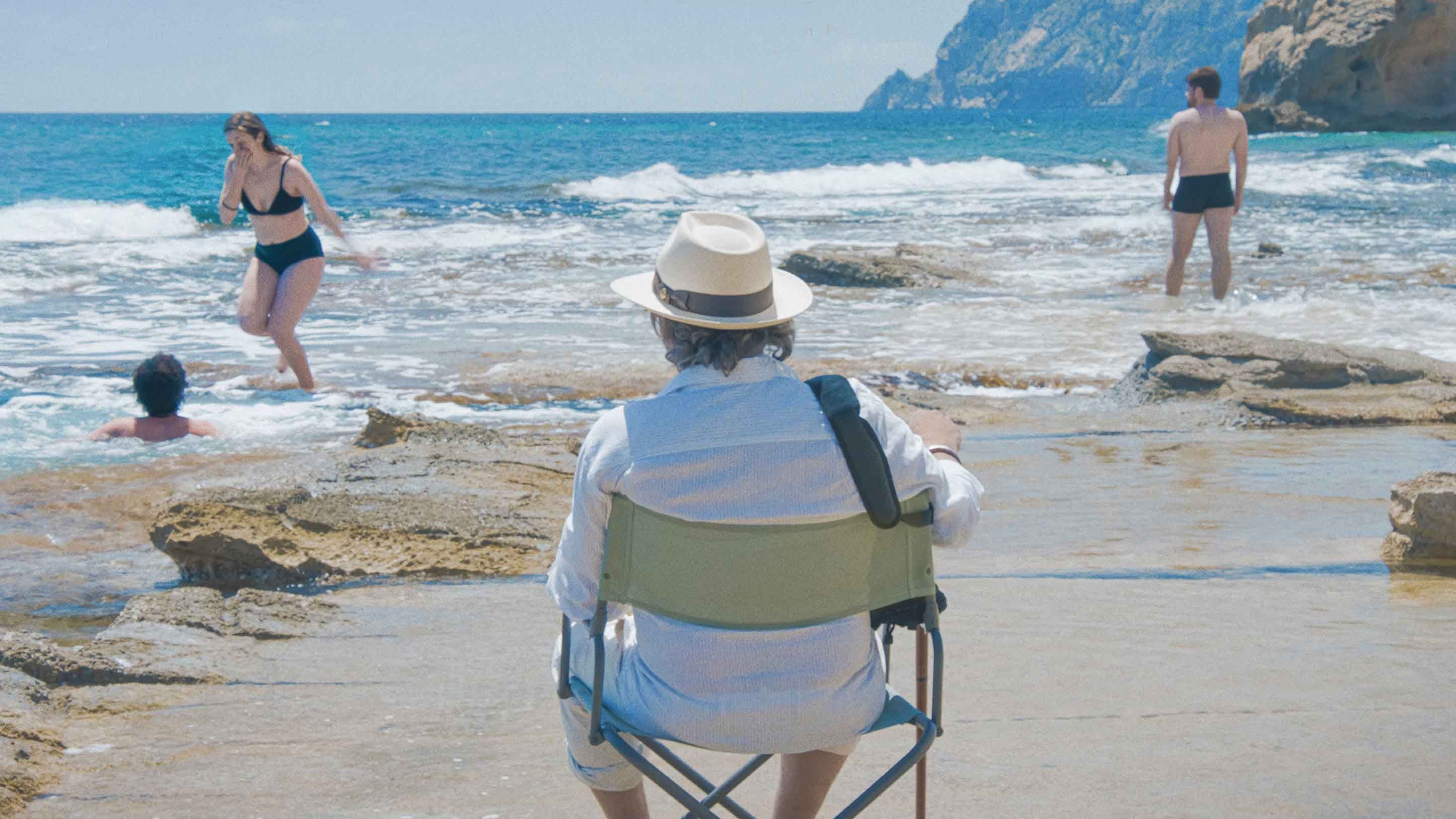
Eduard Fernández, one of Spain's most acclaimed and award-winning actors, plays an elderly, ill man who has at most a year of lucidity and physical strength left before he declines and dies. He summons the children from his first marriage to his seaside villa to tell them, but it's not easy to convince them to come, let alone stay: all three - two sons and a daughter - hate him. There are no flashbacks in Roberto Bueso's film, nor any laborious explanations; yet the elderly man of today also contains within him the father of the past, and so, by watching and listening to him, we can sense that he must always have been rather selfish, harsh, and lacking in affection, on top of the obvious guilt of having built a second family after abandoning the first. He's become more fragile, but not fragile enough to earn easy forgiveness; if anything, his illness sharpens certain old-fashioned behaviors, a belief that helping his children financially can make up for an evident lack of love. One of the sons, moreover, is expecting a daughter himself, and is terrified of becoming like the father he clashed with so much, even though he tried to follow in his professional footsteps. Is the protagonist really a terrible father? There probably aren't enough elements to judge him fully, especially considering he belongs to a generation that understood parenthood very differently from today. What is certain, though, is that love isn't a feeling that's simply owed, but one that must be cultivated, and that making amends late is as fitting as it is risky. Above all, this film questions the act of judging others, always and in every case, almost always without ever putting ourselves in their shoes, yet believing we're always right: this stormy family reunion is an invitation to dialogue and to embracing the idea that human relationships are always built together.
Muyou no hito (In My Father's Room)
Official Selection
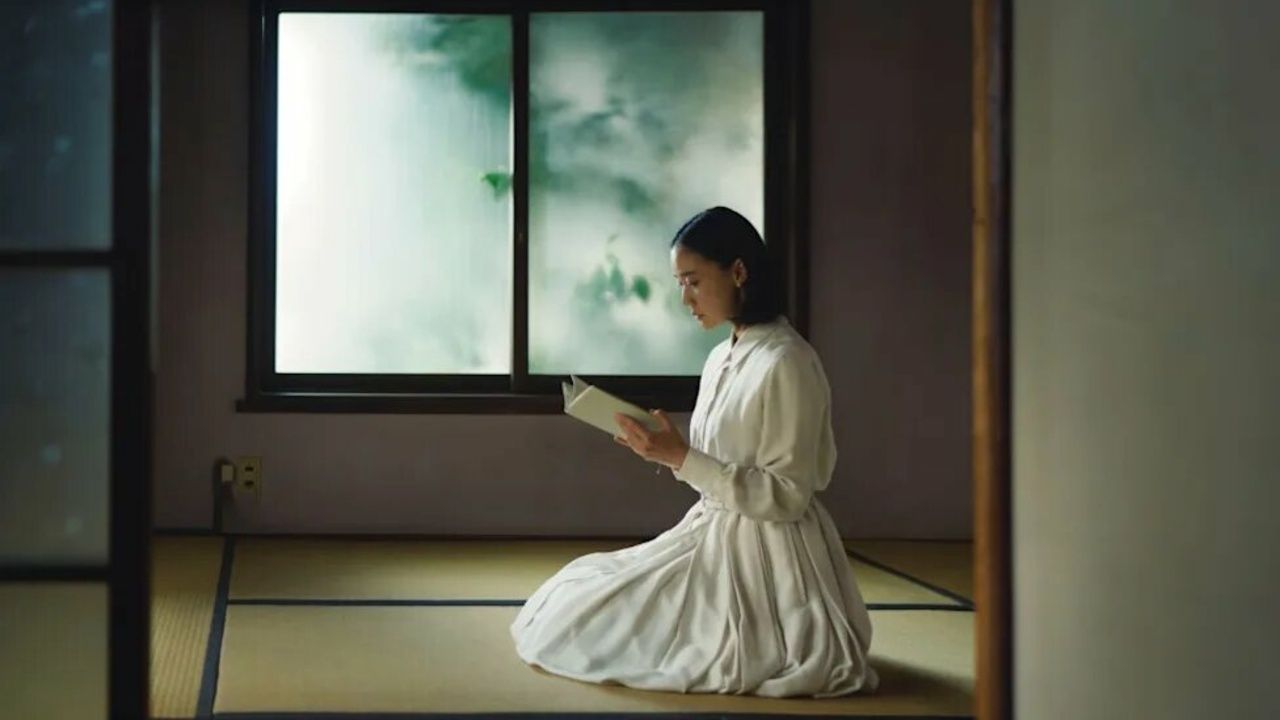
Satomi (Aoi Yū), a gallery assistant at a Tokyo museum, in particular in the room housing a work by the great abstract painter Mark Rothko, learns that her contract won't be renewed after many years on the job. Her last month at a place she has loved so dearly is filled with memories, both her own and those told to her by others. It's during these days, for instance, that she pieces together the last years of her father's life; he died recently, an aspiring poet and art lover capable of finding beauty in small things and small gestures, like preparing tea. Perhaps only in these emotionally charged days does Satomi realize that she has inherited from him a way of seeing that doesn't just admire beauty in her surroundings, but, above all, knows how to share it with others - and that others are grateful to her for this. It's the directorial debut of writer Harada Maha, based on her own short story: a small story that finds humanity even in apparently simple lives, lives that are nonetheless rich in joys, emotions, and discoveries.
Obuvkite na bashta mi (My Father's Shoes)
New Directors
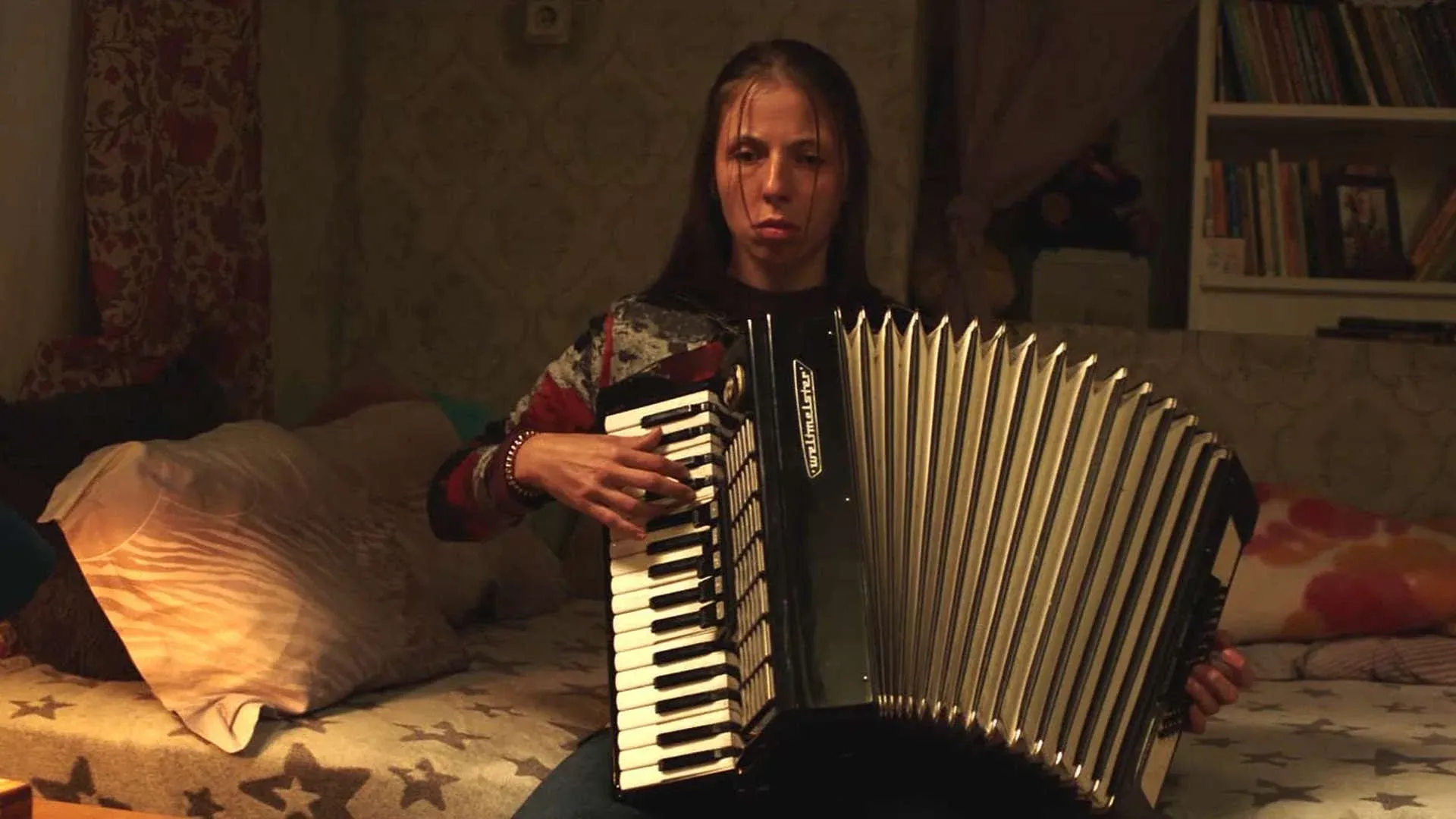
In a small Bulgarian town, news arrives of the death of a man no one has seen in at least 15 years - not his sister, not his ex-wife, not his daughter, who has only a few vague memories of him from childhood. But when the body is delivered for the funeral, it looks so different from how he was remembered that doubt creeps in: could this be someone else entirely? It's like the return of a long-ignored ghost, a black hole to be filled that forces his daughter Mima to reconsider what it meant to grow up without a father, and above all without knowing almost anything about him, partly because of the hostility her mother Boyka still seems to harbor toward him after all these years - whether rightly or wrongly, who can say. Hristo Simeonov's debut feature focuses on the return of a mysterious figure more as a mental representation, shaped differently depending on personal experience (or the lack of it), than as an aged body of uncertain identity. You can be forgotten, but you cannot be erased, and everyone has the right to remember, or forget, or imagine, in their own way, not according to someone else's choices.